
Jussi Björling
Swedish tenor celebrated for his lyrical voice and Met Opera legacy.

via Wikipedia: Jussi Björling · see source
Jussi Björling (5 February 1911 – 9 September 1960) was a Swedish tenor and one of the leading operatic singers of the 20th century. He appeared for many years at the Metropolitan Opera in New York City and less frequently at major European houses, including the Royal Opera House in London and La Scala in Milan. He sang the Italian, French and Russian opera repertory with taste. In July 1999, a poll of music critics in Classic CD magazine (UK) ranked him among the top singers of the 20th century, though the exact ranking is often misremembered.
- born
- 5 February 1911 (baptism records erroneously show 2 February; he celebrated his birthday on 5 February throughout his life)
- died
- 9 September 1960
- field
- Opera, recital
- nationality
- Swedish
- known_for
- Leading tenor at the Metropolitan Opera; acclaimed recordings of Italian, French
Verified Timeline
Lore & Background
Björling was born in Stora Tuna, Borlänge, Dalarna, Sweden, on 5 February 1911, though church baptism records erroneously show 2 February. He was known by the name Jussi, given by his Finnish-born grandmother. His father David was an accomplished singer and first teacher of Jussi and his brothers Olle and Gösta; the four performed as the Björling Male Quartet. Jussi made his public debut at around age six or seven with the quartet. After David's death in 1925, the quartet disbanded, and Björling worked briefly as a lamp salesman, though not necessarily in Ystad or immediately after 1925. In 1928 he made his radio debut and auditioned for John Forsell, gaining admission to the Opera School and the Royal Swedish Academy of Music. He made his first stage appearance at the Royal Swedish Opera on 21 July 1930 as the Lamplighter in Manon Lescaut, followed by his official debut as Don Ottavio in Don Giovanni on 20 August 1930. He remained at the Royal Swedish Opera until 1938, adding around 40–50 roles. He debuted at the Metropolitan Opera on 24 November 1938 as Rodolfo in La bohème and sang there frequently until 1941, returning after World War II in the 1945–46 season. He appeared at La Scala in 1946 in Rigoletto and 1951 in Un ballo in maschera, and at the Royal Opera House in London in 1939 as Rodolfo in La bohème. In 1944 he was appointed hovsångare (Royal Court Singer) by King Gustaf V.
Reader's Guide
Jussi Björling's significance lies in his sustained career at the Metropolitan Opera and his recorded legacy. He performed under Arturo Toscanini, singing the tenor part in Beethoven's Missa solemnis in December 1940 in New York and the Verdi Requiem in 1939 in Lucerne and November 1940 in New York. His complete opera recordings include Il trovatore (1952, RCA Victor) with Zinka Milanov and Leonard Warren; Cavalleria Rusticana and Pagliacci (1953, RCA Victor); Manon Lescaut (1954, RCA Victor) with Licia Albanese and Robert Merrill; Aida (1955, RCA Victor) with Milanov and Warren; La bohème (1956, RCA Victor) with Victoria de los Ángeles and Merrill conducted by Sir Thomas Beecham; Madama Butterfly (1959, EMI) with de los Ángeles conducted by Gabriele Santini; and Tosca (1957, RCA Victor) with Milanov and Warren conducted by Erich Leinsdorf. He won the 1959 Grammy Award for Best Classical Performance – Vocal Soloist for his recital album Björling in Opera. On 15 March 1960 he suffered a heart attack before a performance of La bohème at Covent Garden but insisted on singing. He made his final operatic performance as Faust in San Francisco on 1 April 1960 and his final recital at Skansen, Stockholm, on 20 August 1960. He died of heart-related issues in his sleep on the island of Siarö, Sweden, on 9 September 1960, aged 49. Victoria de los Ángeles noted that 'none of the Jussi Björling recordings give you the true sound of his voice. It was a far, far more beautiful voice than you can hear on the recordings he left.'
Did You Know?
- Björling made his public debut at around age six or seven performing with his father and brothers as the Björling Male Quartet.
- He worked briefly as a lamp salesman after his father's death in 1925 before being admitted to the Opera School.
- He was appointed hovsångare (Royal Court Singer) by King Gustaf V in 1944.
- He suffered a heart attack before a performance of La bohème at Covent Garden on 15 March 1960 and was taken to hospital; he did not perform.
- Victoria de los Ángeles said his recordings do not capture the true beauty of his voice, which was 'far, far more beautiful' in person.
Gallery
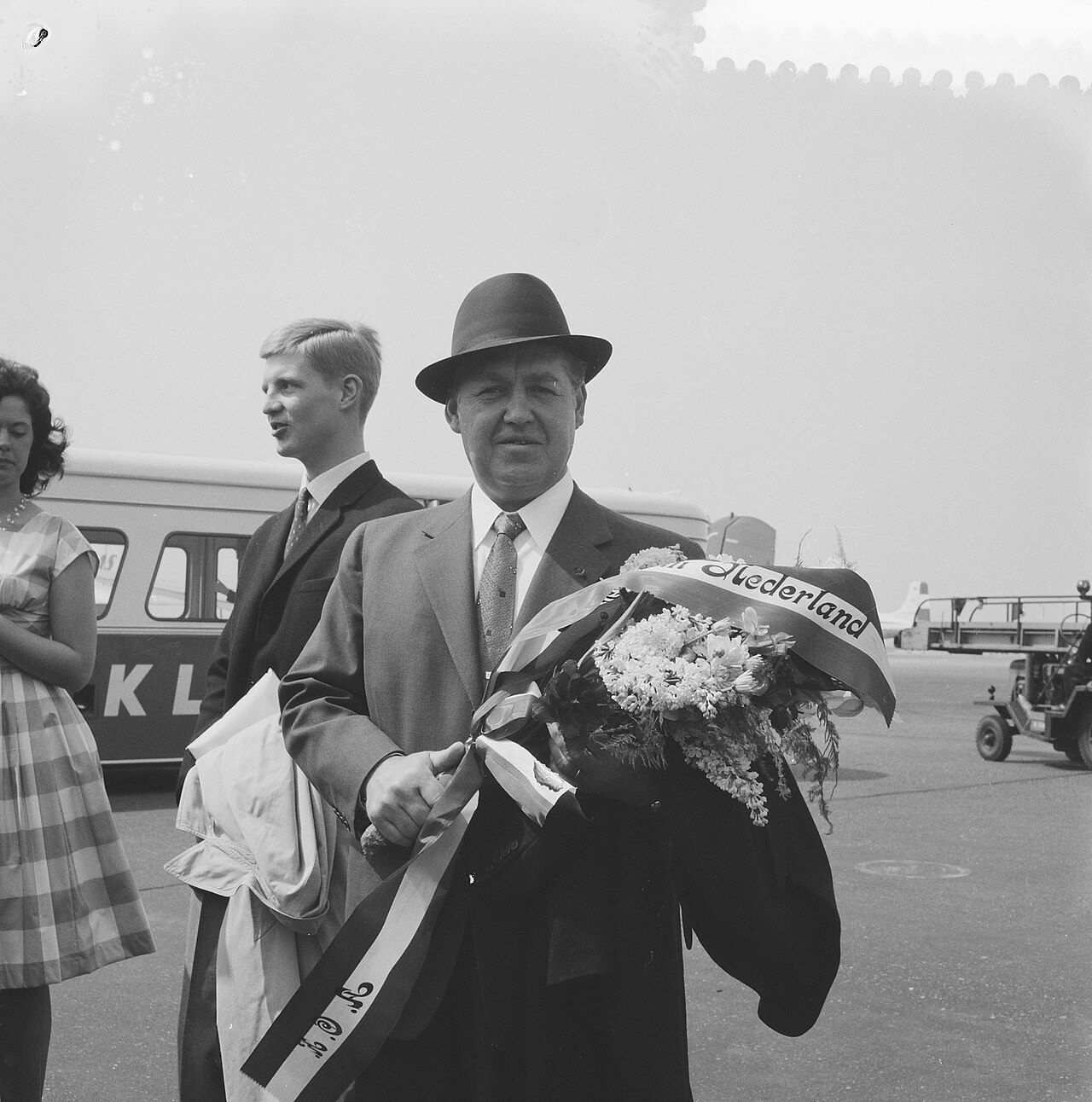

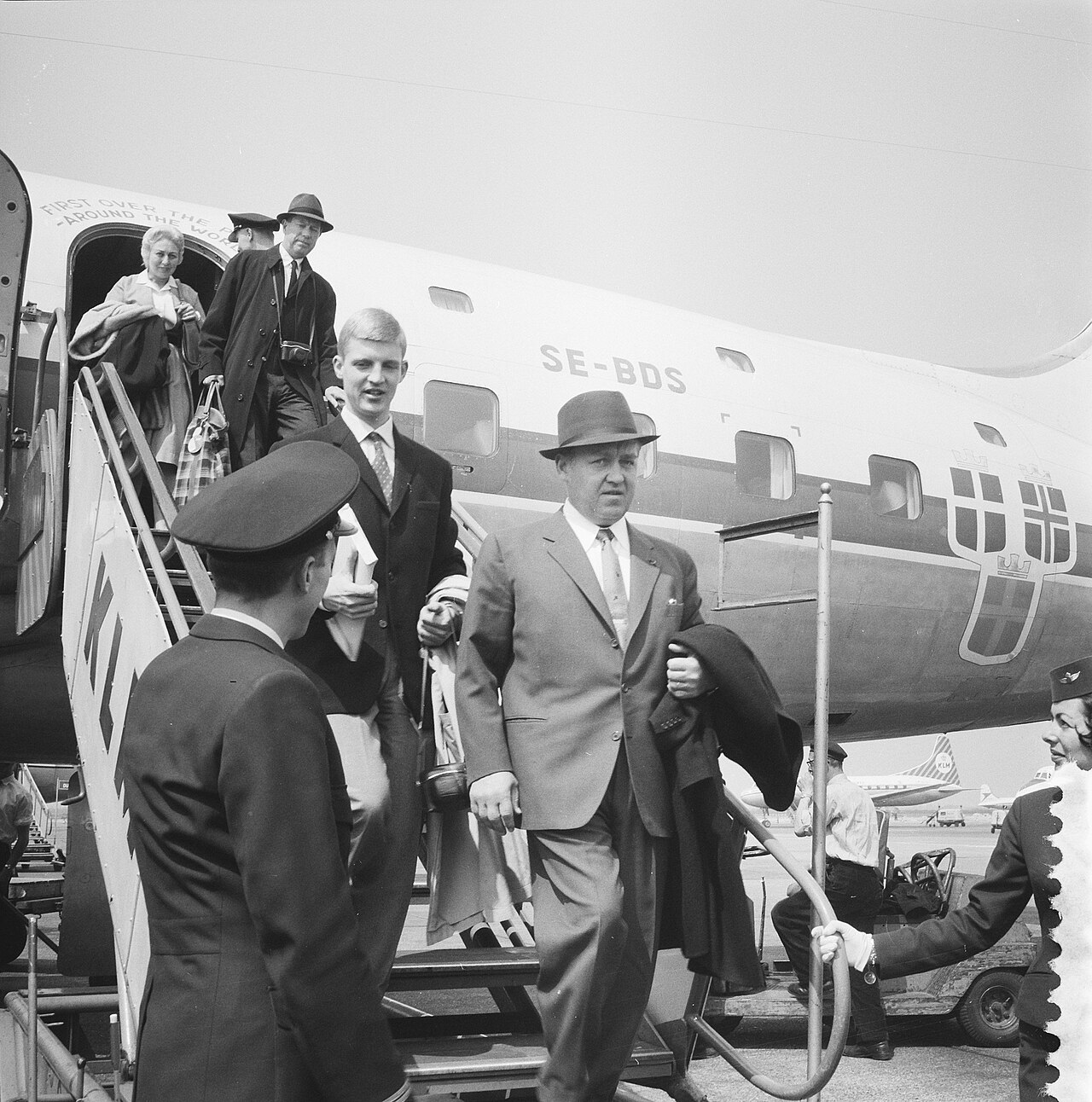
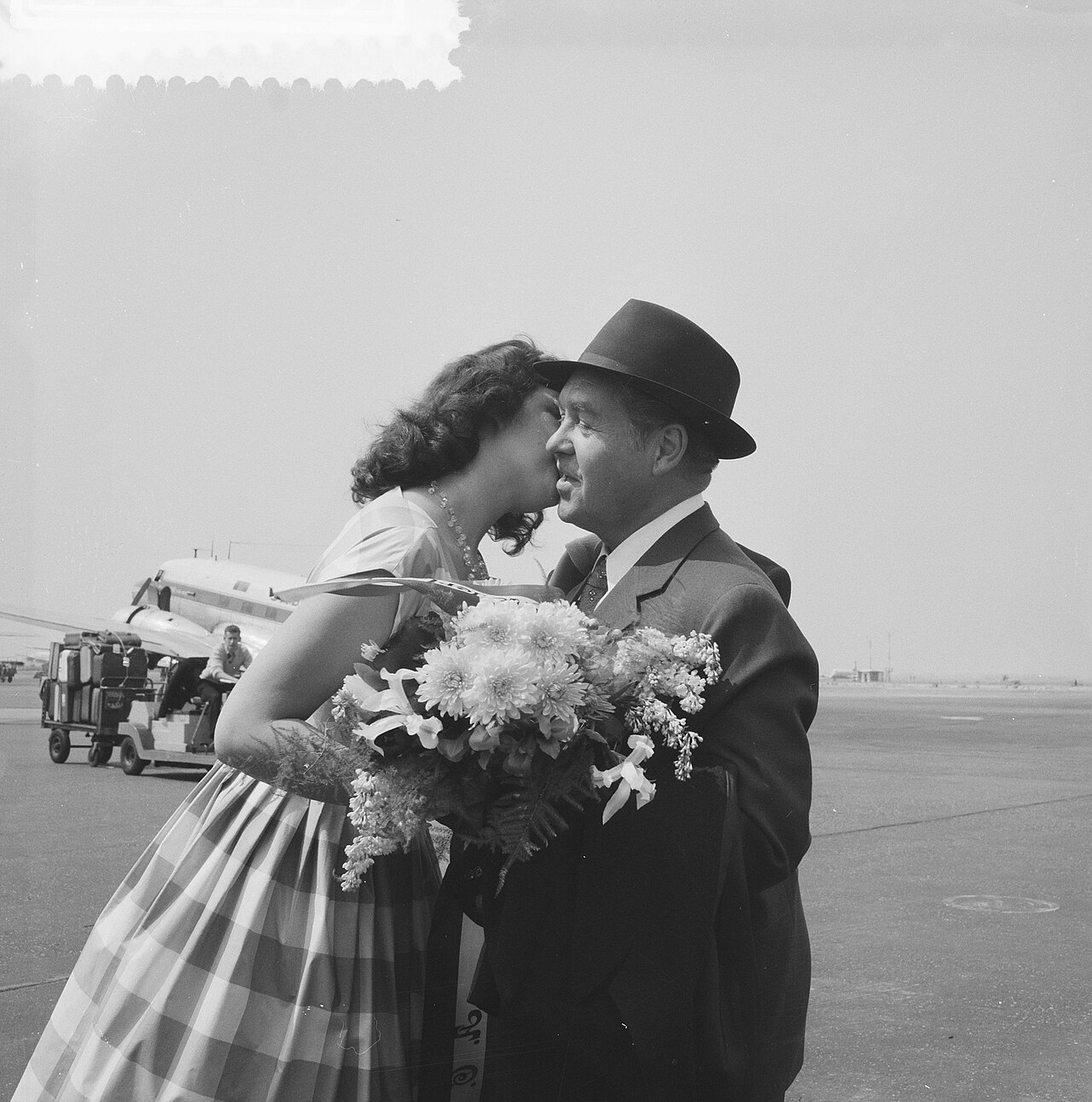

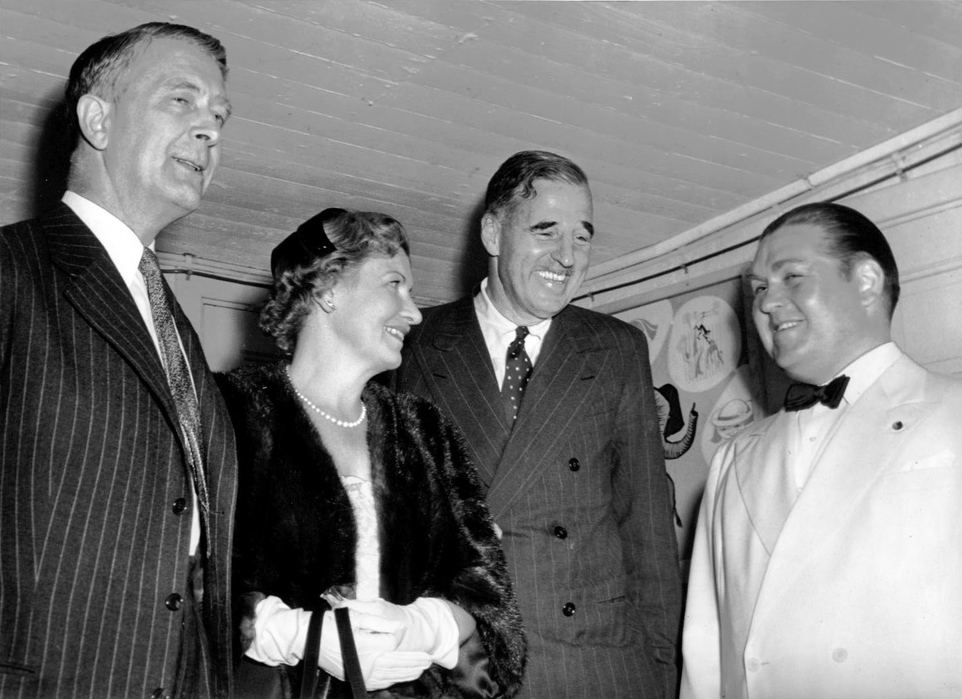
Frequently Asked Questions
Who is Jussi Björling?
Jussi Björling was a Swedish tenor who became one of the most celebrated operatic voices of the twentieth century. He spent many seasons as a leading singer at the Metropolitan Opera in New York while also appearing at major European houses.
What opera houses was Jussi Björling associated with?
His primary stage was the Metropolitan Opera in New York City, where he performed for many years. He also sang at the Royal Opera House in London and La Scala in Milan, though less frequently.
What repertory was Jussi Björling known for?
He was particularly admired for his taste in the Italian, French, and Russian operatic repertory. His recorded performances in these traditions remain highly regarded by vocal enthusiasts.
How is Jussi Björling ranked among 20th-century singers?
In a 1999 poll conducted by Classic CD magazine in the UK, music critics voted him the greatest singer of the twentieth century. This ranking cemented his legacy among operatic connoisseurs.
When was Jussi Björling born and when did he die?
He was born on 5 February 1911 in Sweden and passed away on 9 September 1960. His baptism records incorrectly list 2 February, but he himself celebrated his birthday on the 5th.
More in Opera & Vocal Legends 1-18
Related in Opera & Vocal Legends
Links follow this subject's own source article.
Spotted an error? Know more?
This is a living reference — every entry is fact-audited, and reader corrections feed straight into our audit queue. Suggest an edit · See this site's audit record